

Case Study/Worksheets
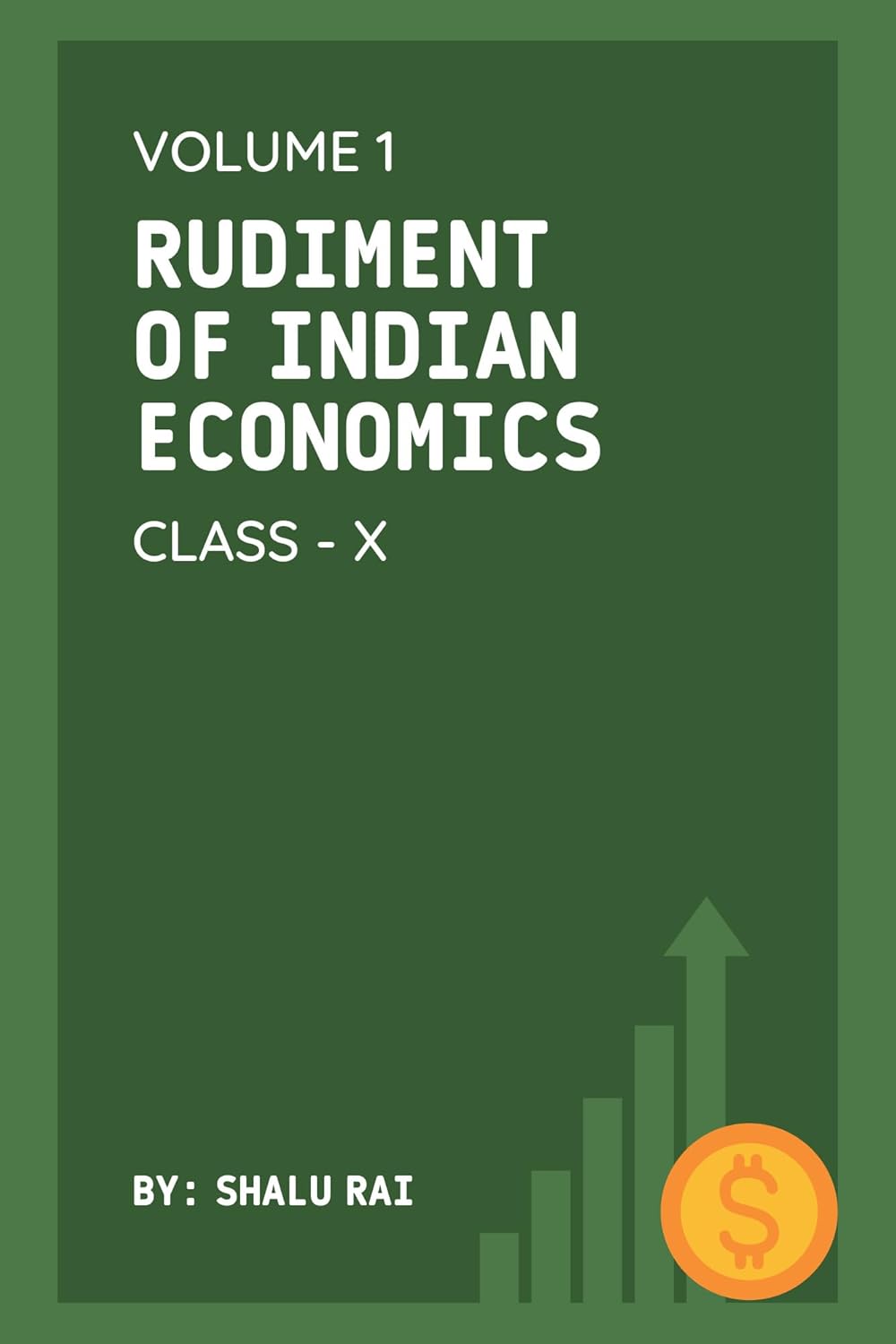
“Rudiments of Indian Economics” is a concise and student-friendly guide tailored specifically for Class 10 students. This book offers a comprehensive exploration of the Indian economy, covering key topics aligned with the curriculum. From economic history to vital indicators, such as GDP and inflation, this guide simplifies complex concepts, supplemented with visual aids, real-world examples, and practice exercises. Unlock the fundamentals of Indian economics with this invaluable resource designed to support student learning and understanding.

Worksheet: A Day in the Life of an Interior Designer
Purpose:
This worksheet is designed to give you a hands-on experience of what being an interior designer is like. You’ll engage in realistic design scenarios to explore key skills like creativity, client communication, budgeting, and project management. These exercises will help you assess whether interior design aligns with your strengths, interests, and career goals.
Project 1: Understanding Client Needs
Scenario:
You’re meeting with a new client, a young couple who just bought their first home. They want a cozy, functional, and modern design but have different style preferences. One loves minimalism, while the other prefers a touch of vintage charm.
Task:
Write down three key questions you would ask to understand both their styles and needs better.
Solution Example:
- “What are your absolute must-haves in this space? Any specific pieces or styles?”
- “Are there certain colors or materials each of you loves (or dislikes) that should be included?”
- “How do you envision using this space daily? Do you prefer a more open or cozy setup?”
Sketch out a mood board that combines minimalistic and vintage elements. Use keywords, colors, and design ideas that could appeal to both.
Solution Example:
- Minimalist Touches: Light, neutral colors (e.g., whites, light grays), clean lines, and an uncluttered layout.
- Vintage Elements: Add warmth with vintage-inspired light fixtures, soft rugs, and a few decor pieces, like a distressed wood coffee table or antique-style mirrors.
- Style Harmony: Use a neutral base palette with small accents in muted colors and mixed materials (e.g., natural wood and metal) to bridge the two styles.
Reflection:
- Challenges: Blending minimalism with vintage can be tricky since minimalism focuses on simplicity, while vintage often brings texture and history. Balance is key.
- Enjoyment: If you found this exercise rewarding, it may indicate a knack for adapting to clients’ varied styles and harmonizing contrasting tastes.
Click on blue button on left to get access to full worksheet
Interested in Pursuing Interior Design?
If this experience inspired you and you’d like to explore a career in interior design further, here’s a link to a course we recommend:

“Path to Psychology: Hands-On Exploration of a Psychologist’s Daily Life”
Purpose
The purpose of these worksheets is to help you explore the daily work and challenges of a psychologist. By engaging in realistic scenarios and tasks, you’ll gain insight into the skills, responsibilities, and emotional demands of this profession. These exercises are designed to help you decide if psychology is a good career option for you before you commit to a full-time educational path.
Worksheet 1: Initial Client Assessment
Project: Conducting a Client Intake Session
-
Objective: Understand the process of an initial client assessment.
-
Scenario: You are meeting with a client, Alex, for the first time. Alex reports feelings of anxiety and difficulty focusing.
-
Tasks:
- List 5 questions you would ask Alex to understand his background and issues better.
- Write a brief summary of Alex’s potential issues based on his answers.
- Identify two assessment tools or questionnaires you might use to gather more information (e.g., GAD-7 for anxiety).
-
Reflection:
- How comfortable did you feel conducting this assessment?
- What skills did you find most necessary in this task?
Solution:
This worksheet gives insight into conducting assessments and highlights key skills like active listening and empathy. Reflect on whether these tasks feel natural and fulfilling.
Worksheet 2: Developing a Treatment Plan
Project: Creating a Client Treatment Plan
-
Objective: Simulate the development of a treatment plan based on an assessment.
-
Scenario: Your client, Alex, has moderate anxiety and sleep issues.
-
Tasks:
- Identify 2-3 goals for Alex’s treatment (e.g., reduce anxiety levels, improve sleep patterns).
- Outline potential therapy techniques you would use, like CBT for anxiety management.
- Plan out a simple 3-session roadmap, specifying the focus of each session.
-
Reflection:
- Did you enjoy thinking about strategies to help Alex?
- What was challenging about planning sessions for someone with anxiety?
Solution:
This activity builds familiarity with treatment planning. Reflecting on this can reveal if you enjoy the structure and problem-solving aspects of therapy.
Click on blue button on left to get access to full worksheet

Commerce Career Guide: Making Informed Choices for a Rewarding Future
Choosing the right career path after school can feel overwhelming, especially for commerce students who have a wide range of options available. Whether you’re interested in finance, economics, or analytics, it’s important to explore these career paths to find the right fit for your skills and interests. This guide will dive into some of the top career choices for commerce students, providing insights into roles, qualifications, and potential career growth.
1. Bachelor of Business Administration (BBA)
A Bachelor of Business Administration (BBA) is a three-year undergraduate course that equips students with essential business skills, making it a popular choice for aspiring finance professionals. BBA graduates can pursue roles like finance executives, with salaries ranging from ₹3 LPA to ₹10 LPA, depending on the company and experience level. Top recruiters for BBA graduates include Deloitte, TCS, and many others in the corporate sector.
2. Bachelor of Economics
For students interested in economic analysis and policy-making, a Bachelor of Economics provides both theoretical and practical knowledge in critical areas such as:
- Microeconomics and Macroeconomics
- Public Policy
- International Economics
- Statistical Analysis
This course develops strong analytical and problem-solving skills, making it a gateway to fulfilling careers in banking, government, or financial consulting. Top recruiters for economics graduates in India include SBI, RBI, Axis Bank, HDFC Bank, and Deloitte.
3. Certified Financial Planner (CFP)
The Certified Financial Planner (CFP) certification is ideal for commerce students who wish to pursue high-paying jobs in the private banking and investment consultancy sectors. CFP professionals help individuals manage their finances, offering expert advice on savings, investments, and retirement planning. The average salary for a CFP ranges from ₹3 LPA to ₹5 LPA, depending on location and company, with room for career advancement.
4. Certified Public Accountant (CPA)
The Certified Public Accountant (CPA) qualification, granted by the American Institute of Certified Public Accountants (AICPA), is highly respected globally. CPAs handle auditing, reporting, and taxation at various levels. In India, CPAs can earn an average salary of ₹6 LPA to ₹7 LPA, with experienced professionals making as much as ₹15 LPA to ₹20 LPA. This qualification opens doors to senior roles in accounting firms, corporations, and the public sector.
5. Data Analyst
In today’s data-driven world, becoming a data analyst is one of the most promising career options. Data analysts interpret and analyze complex data to help businesses make informed decisions. With the demand for data professionals on the rise, graduates in this field can expect lucrative job offers from companies like HCL, Walmart, Citibank, and Deloitte, with competitive salaries that grow as they gain experience.
Summary
Commerce students have a wide range of career opportunities available across both the private and public sectors. While completing a degree or certification is essential, the key to a successful career lies in continuous learning, dedication, and adaptability. Whether you choose finance, economics, or data analytics, the opportunities are endless for those who work hard and remain open to learning new skills.
By staying informed about various career paths and making thoughtful choices, you can confidently embark on an enriching journey that aligns with your passion and goals.
Embrace the possibilities, and let your ambition guide you to success.

Food Technology Career Insight Worksheet
Purpose: To offer a realistic understanding of the challenges, responsibilities, and rewards of a career in food technology, helping individuals decide if it’s the right path for them.
Project Title: Introduction to Food Product Development
Name:
Date:
Section 1: Understanding the Role of a Food Technologist
Overview:
Food technologists work on developing and improving food products, ensuring they are safe, nutritious, and meet regulatory standards. This involves research, testing, and working closely with production teams. While it’s a creative field, it also comes with technical challenges, requiring a solid understanding of food chemistry, microbiology, and packaging.
Key Insights:
- Food science is technical and requires knowledge of biochemistry, food safety, and production processes.
- Innovation and problem-solving skills are critical when creating or improving products.
- Collaboration is often necessary, whether with production teams or regulatory bodies.
Task 1: Developing a New Food Product
Objective: Learn the steps involved in creating a new food product, from concept to production.
Steps and Solution:
Identifying Market Trends and Consumer Needs
- Explanation: Successful food products solve a consumer need or meet a market demand. Before starting development, research what’s trending (e.g., plant-based, functional foods).
- Solution:
- Use resources like market research reports or consumer surveys to identify gaps in the market.
- Talk to potential customers or retailers to understand their preferences.
Concept Development and Prototyping
- Explanation: After identifying a need, you must create a product concept and develop a prototype for testing.
- Solution:
- Use kitchen-scale equipment to create a small batch of your new product.
- Experiment with different ingredients and formulations until you find a balance that meets both flavor and nutritional goals.
Reflection:
- Challenge: Do you enjoy researching market trends and experimenting with formulations?
- Solution: Start small by creating a product in your kitchen or lab, testing it among friends or colleagues for feedback. Use their input to refine your concept.
Worksheet Summary:
This worksheet gives a practical, hands-on look into the life of a food technologist, allowing individuals to explore the technical, creative, and business aspects of food technology. By working through real-world tasks, individuals can reflect on whether food technology aligns with their interests and skills before committing to the career full-time.

Agriculture Career Insight Worksheet
Purpose: To give a realistic overview of the tasks, challenges, and rewards faced by agricultural workers so that individuals can make an informed decision about pursuing this career.
Project Title: Introduction to Sustainable Crop Farming
Name:
Date:
Section 1: Understanding the Job
Overview: Agriculture is about more than planting seeds. It involves understanding the environment, soil, weather, pests, and market conditions to optimize crop yields. Workers are responsible for various tasks such as planting, maintaining crops, harvesting, and managing farm tools.
What to Expect:
- Physical labor: long hours, working outdoors in various weather conditions.
- Skills development: problem-solving, understanding sustainable practices, and planning.
- Rewards: Direct impact on food production, working with nature, and potential job stability.
Task 1: Preparing the Soil
Objective: Learn the basic steps to prepare soil for planting, one of the foundational tasks in farming.
Steps:
Test Soil Quality
- Why this matters: Different crops need different soil conditions. Testing soil pH and nutrients helps you know how to enrich the soil before planting.
- What to do:
- Get a soil test kit or send soil samples to a lab.
- Based on results, add organic matter like compost or specific nutrients to improve the soil.
Tilling the Field
- Why this matters: Tilling loosens the soil, making it easier for plant roots to grow.
- What to do:
- Use basic tools (hand-held hoe or tractor) depending on farm size.
- Make sure the soil is evenly tilled and free of clumps.
Potential Challenge:
- Physical labor: Tilling can be physically demanding, requiring strength and endurance.
Solution:
- Start small and build up stamina. If you prefer high-tech tools, tractors and machines reduce manual labor but come at a cost.
Worksheet Summary:
This worksheet offers a structured way to explore the realities of agriculture before making a full-time commitment. Each task outlines both the demands and the rewards, while providing solutions and insights into overcoming challenges. It allows individuals to reflect on whether they can see themselves thriving in the field of agriculture.
Agriculture Career Insight Worksheet
Purpose: To give a realistic overview of the tasks, challenges, and rewards faced by agricultural workers so that individuals can make an informed decision about pursuing this career.
Project Title: Introduction to Sustainable Crop Farming
Name:
Date:
Section 1: Understanding the Job
Overview: Agriculture is about more than planting seeds. It involves understanding the environment, soil, weather, pests, and market conditions to optimize crop yields. Workers are responsible for various tasks such as planting, maintaining crops, harvesting, and managing farm tools.
What to Expect:
- Physical labor: long hours, working outdoors in various weather conditions.
- Skills development: problem-solving, understanding sustainable practices, and planning.
- Rewards: Direct impact on food production, working with nature, and potential job stability.
Task 1: Preparing the Soil
Objective: Learn the basic steps to prepare soil for planting, one of the foundational tasks in farming.
Steps:
Test Soil Quality
- Why this matters: Different crops need different soil conditions. Testing soil pH and nutrients helps you know how to enrich the soil before planting.
- What to do:
- Get a soil test kit or send soil samples to a lab.
- Based on results, add organic matter like compost or specific nutrients to improve the soil.
Tilling the Field
- Why this matters: Tilling loosens the soil, making it easier for plant roots to grow.
- What to do:
- Use basic tools (hand-held hoe or tractor) depending on farm size.
- Make sure the soil is evenly tilled and free of clumps.
Potential Challenge:
- Physical labor: Tilling can be physically demanding, requiring strength and endurance.
Solution:
- Start small and build up stamina. If you prefer high-tech tools, tractors and machines reduce manual labor but come at a cost.
Worksheet Summary:
This worksheet offers a structured way to explore the realities of agriculture before making a full-time commitment. Each task outlines both the demands and the rewards, while providing solutions and insights into overcoming challenges. It allows individuals to reflect on whether they can see themselves thriving in the field of agriculture.